
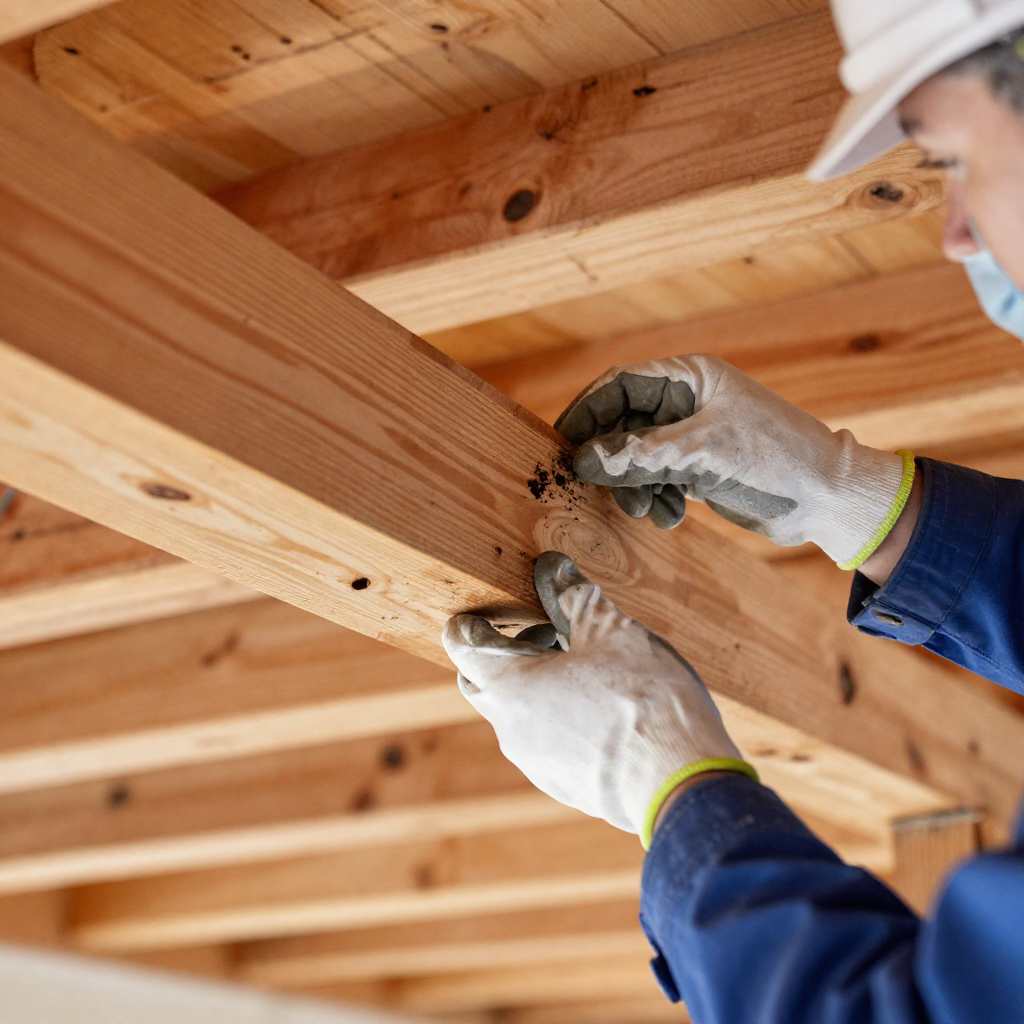
Woodworm is one of the most common yet often overlooked threats to wooden homes, furniture, and structural timber. Because woodworm larvae spend most of their lives hidden inside wood, infestations can go unnoticed for years. By the time visible damage appears, the timber may already be significantly weakened. Recognizing the early signs of an active woodworm infestation is essential to protect your property and avoid expensive repairs.
In this comprehensive guide, you’ll learn how to identify active woodworm activity, understand the warning signs, and know when it’s time to seek professional treatment.
What Is Woodworm?
Despite the name, a woodworm is not actually a worm. The term refers to the larvae of several species of wood-boring beetles, including the Common Furniture Beetle, Deathwatch Beetle, House Longhorn Beetle, and Powderpost Beetle.
Adult beetles lay their eggs on or inside timber. Once the eggs hatch, the larvae tunnel through the wood while feeding on its cellulose and nutrients. This feeding stage can last several years before the larvae transform into adult beetles and emerge through small exit holes.Visit online https://www.shashel.eu for more details.
Most of the damage occurs while the larvae are hidden inside the wood, making early detection especially important.
Why Early Detection Matters
An untreated woodworm infestation can spread throughout your home, affecting:
- Roof timbers
- Floorboards
- Ceiling joists
- Wooden beams
- Staircases
- Doors and window frames
- Antique furniture
- Cabinets and wardrobes
Early detection allows you to treat the infestation before it causes serious structural damage or requires costly timber replacement.
1. Fresh Exit Holes in Timber
One of the most recognizable signs of woodworm is the appearance of small, round exit holes in wooden surfaces.
These holes are created when adult beetles emerge after completing their development inside the timber.
Fresh exit holes usually have:
- Clean, sharp edges
- A light wood color around the opening
- Diameters between 1 mm and 3 mm, depending on the beetle species
It’s important to remember that exit holes alone don’t always indicate an active infestation. They may have been left behind years ago. However, new holes appearing each year suggest ongoing activity.
2. Fine Powdery Dust (Frass)
Fresh frass is one of the strongest indicators of an active infestation.
Frass is a powder-like waste material produced by woodworm larvae as they tunnel through timber.
Fresh frass typically appears:
- Cream-colored or light brown
- Dry and powdery
- Similar in texture to fine sawdust
You may notice frass collecting beneath furniture, around wooden beams, or below newly formed exit holes.
If fresh dust continues to appear after cleaning, it’s a strong sign that larvae are still active inside the wood.
3. Weak or Crumbling Wood
As larvae feed inside timber, they create an extensive network of tunnels that gradually weaken the wood from within.
Warning signs include:
- Soft timber
- Crumbling edges
- Hollow sections
- Splitting wood
- Wood that easily breaks under pressure
In severe cases, structural timber may no longer safely support weight.
If a screwdriver easily penetrates the wood or large pieces break away, professional inspection should be arranged immediately.
4. Live Adult Beetles
Adult beetles typically emerge during late spring and summer, depending on the species and local climate.
Finding live beetles indoors—especially near wooden furniture, windowsills, or roof spaces—may indicate an active infestation.
Most wood-boring beetles are:
- Small
- Brown or dark-colored
- Oval-shaped
- Between 2 mm and 7 mm long
Although adult beetles only live for a few weeks, their appearance means the breeding cycle is continuing.
5. Newly Appearing Holes
One of the clearest signs of active woodworm is noticing new exit holes over time.
If you inspect your timber regularly and observe fresh holes that weren’t previously present, larvae are likely completing their development and emerging as adult beetles.
Marking existing holes during inspections can help determine whether new ones appear in future seasons.
6. Visible Tunnels Inside the Wood
When damaged timber breaks or is cut open, you may see winding tunnels known as galleries.
These tunnels are created as larvae feed beneath the surface.
The more extensive the tunneling, the greater the structural damage.
While tunnels aren’t always visible from the outside, they become apparent when severely affected wood is exposed.
7. Damaged or Fragile Furniture
Woodworm commonly attacks antique furniture and older wooden items.
Signs include:
- Loose joints
- Fragile chair legs
- Crumbling drawers
- Small holes throughout the surface
- Powder beneath furniture
Regularly inspecting valuable wooden furniture helps identify infestations before irreversible damage occurs.
8. Increased Activity During Warmer Months
Woodworm activity becomes more noticeable during spring and summer, when adult beetles emerge to reproduce.
You may observe:
- Fresh exit holes
- Live beetles
- New frass deposits
Although larvae remain active year-round inside timber, visible signs are often most obvious during warmer seasons.
Areas of the Home Most at Risk
Woodworm prefers timber that is damp, poorly ventilated, or untreated.
Pay particular attention to:
Roof Spaces
Inspect rafters, joists, and roof trusses for holes, frass, or weakened wood.
Basements and Cellars
Damp conditions make these areas especially attractive to wood-boring beetles.
Wooden Floors
Check for:
- Sagging boards
- Soft spots
- Creaking
- Powder between floorboards
Furniture
Inspect:
- Wardrobes
- Tables
- Chairs
- Cabinets
- Antique pieces
Older furniture often lacks modern protective treatments, making it more vulnerable.
Conditions That Encourage Woodworm
Several environmental factors increase the likelihood of infestation.
These include:
- High humidity
- Roof leaks
- Poor ventilation
- Damp timber
- Untreated wood
- Long-term moisture problems
Maintaining a dry environment is one of the most effective ways to prevent woodworm.
Active vs. Old Woodworm Damage
Many homeowners struggle to distinguish between active and inactive infestations.
Signs of Active Woodworm
- Fresh frass
- Newly formed exit holes
- Live adult beetles
- Fresh, light-colored holes
- Ongoing appearance of powder
Signs of Old Damage
- Darkened holes
- No fresh dust
- No beetles present
- Stable timber with no new activity
A professional survey can confirm whether treatment is necessary.
How to Prevent Woodworm
Preventive maintenance helps protect your home and wooden belongings.
Recommended measures include:
- Keep timber dry.
- Improve ventilation in lofts and basements.
- Repair plumbing and roof leaks promptly.
- Use wood preservatives where appropriate.
- Inspect wooden furniture regularly.
- Reduce indoor humidity.
- Schedule periodic timber inspections, particularly in older properties.
Simple maintenance can greatly reduce the risk of infestation.
When to Call a Professional
Professional assistance is recommended if:
- Structural beams appear weakened.
- Fresh holes continue appearing.
- Large quantities of frass are present.
- Multiple areas of your home show signs of damage.
- You cannot determine whether the infestation is active.
A qualified timber specialist can identify the beetle species, assess the extent of the infestation, and recommend the most effective treatment solution.
Conclusion
An active woodworm infestation can remain hidden for years, silently weakening timber throughout your home. Fortunately, recognizing the warning signs—such as fresh exit holes, powdery frass, weakened wood, live beetles, and new tunneling—allows you to take action before serious structural damage occurs.
Regular inspections, moisture control, and prompt treatment are the best ways to protect your property. Whether you’re maintaining an older home or preserving valuable wooden furniture, early detection is the key to preventing costly repairs and ensuring your timber remains strong for years to come.